
Claude Code is an Agentic Coding tool launched by Anthropic, also known as one of the world’s most powerful programming agents. Claude Code provides a dedicated plugin for JetBrains IDEs, supporting the entire series of JetBrains IDEs including IntelliJ IDEA, PyCharm, WebStorm, GoLand, PhpStorm, and Android Studio. This document mainly introduces how to configure and use Claude Code in JetBrains IDE through the proxy service of AceData Cloud.

Application Process

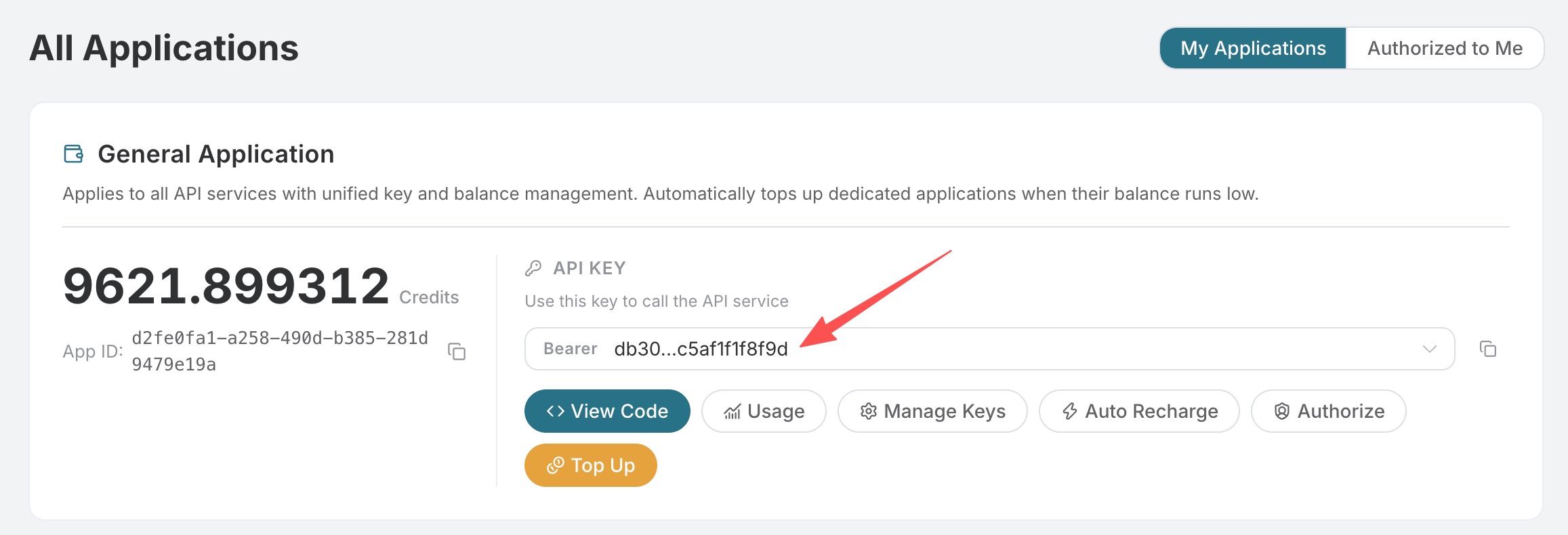
To use Claude Messages service page, first open the Ace Data Cloud Console and copy your API Token. If you are not logged in, you will be redirected to sign in and brought back to this page automatically. A single API Token works across every service on the platform — no need to subscribe per service. New accounts receive free starter credit; when it runs low you can top up your shared balance in the console.
📘 Full documentation: Claude Messages service page →

Supported IDEs

The Claude Code plugin supports the following JetBrains IDEs:
IDEApplicable Languages/Scenarios
IntelliJ IDEAJava, Kotlin, Scala, etc.
PyCharmPython
WebStormJavaScript, TypeScript
GoLandGo
PhpStormPHP
Android StudioAndroid Development
OthersMost JetBrains IDEs are supported

Installation

Prerequisites

The Claude Code JetBrains plugin depends on the Claude Code CLI, so please ensure that the CLI is installed first:
# macOS / Linux / WSL
curl -fsSL https://claude.ai/install.sh | bash

# Or use Homebrew
brew install claude-code
After installation, you can verify:
claude --version

Install Plugin

Claude Code Plugin in JetBrains Marketplace
  1. Open JetBrains IDE
  2. Go to SettingsPluginsMarketplace
  3. Search for Claude Code
  4. Click Install to install the plugin
  5. Restart IDE
Alternatively, you can directly visit the JetBrains Marketplace for online installation.
Important: After installing the plugin, you need to completely restart the IDE (it may require multiple restarts) for it to take effect.

Configure AceData Cloud API

The Claude Code JetBrains plugin runs the claude command through an integrated terminal, so the environment variable configuration method is the same as for the CLI.

Step 1: Create config.json

Create the configuration file for Claude Code:
SystemPath
macOS / Linux~/.claude/config.json
WindowsC:\Users\{username}\.claude\config.json
Write the following content in this file and save:
{
  "primaryApiKey": "self"
}
Quick creation command for macOS / Linux:
mkdir -p ~/.claude && echo '{"primaryApiKey": "self"}' > ~/.claude/config.json

Step 2: Configure Environment Variables

Method 1: Set in Shell Configuration File (Recommended) Add the following content to your ~/.zshrc or ~/.bashrc, replacing {token} with your API token:
# AceData Cloud - Claude Code Proxy Configuration
export ANTHROPIC_AUTH_TOKEN="{token}"
export ANTHROPIC_BASE_URL="https://api.acedata.cloud"
After modifying, execute source ~/.zshrc to make the configuration effective, then restart JetBrains IDE. Method 2: Set in Claude Code settings.json Edit ~/.claude/settings.json (create it if it does not exist):
{
  "env": {
    "ANTHROPIC_AUTH_TOKEN": "{token}",
    "ANTHROPIC_BASE_URL": "https://api.acedata.cloud"
  }
}
Tip: The API token can be viewed in the AceData Cloud Console.

Basic Usage

Start from the IDE Integrated Terminal

Open the integrated terminal of JetBrains IDE and run:
claude
When running in the IDE’s integrated terminal, all integrated features (Diff view, context selection, etc.) will be automatically activated.

Connect from an External Terminal

If you run Claude Code in an external terminal, you can use the /ide command to connect to JetBrains IDE:
claude
> /ide
Make sure to start Claude Code from the same path as the IDE project root so that Claude can access the same set of files.

Shortcuts

ShortcutFunction
Cmd+Esc (Mac) / Ctrl+Esc (Windows/Linux)Quickly open Claude Code
Cmd+Option+K (Mac) / Alt+Ctrl+K (Windows/Linux)Insert file reference (e.g., @File#L1-99)

Integrated Features

The Claude Code JetBrains plugin provides the following integrated features:
  • Diff View: Code changes are displayed directly in the IDE’s Diff viewer
  • Context Selection: The currently selected code and tabs are automatically shared with Claude
  • File Reference: Quickly reference files and line numbers using shortcuts
  • Diagnostic Sharing: Lint, syntax errors, and other diagnostic information in the IDE are automatically shared with Claude

Plugin Settings

You can configure in SettingsToolsClaude Code [Beta]:
SettingDescription
Claude commandCustom Claude command path (e.g., /usr/local/bin/claude)
Enable automatic updatesAutomatically check and install plugin updates
Enable using Option+EnterUse Option+Enter to insert a new line in the prompt box on macOS

WSL User Configuration

If using in a WSL environment, set the Claude command to:
wsl -d Ubuntu -- bash -lic "claude"
(Replace Ubuntu with your WSL distribution name)

Frequently Asked Questions

What to do if the connection fails?

  1. Check if the ~/.claude/config.json file is created correctly
  2. Confirm that the environment variables are set correctly
  3. Confirm that the API token is valid (can be viewed in the console)
  4. Restart JetBrains IDE and try again

What if the plugin does not work?

  1. Ensure Claude Code is run from the project root directory
  2. Check if the plugin is enabled in the IDE settings
  3. Completely restart the IDE (may require multiple restarts)
  4. If using remote development mode, ensure the plugin is installed on the remote host (Settings → Plugin (Host))

IDE not detected?

  1. Confirm that the plugin is installed and enabled
  2. Restart the IDE
  3. Ensure Claude Code is running in the integrated terminal
  4. WSL users please refer to the WSL Troubleshooting Guide

command not found

If clicking the Claude icon prompts “command not found”:
  1. Confirm that the CLI is installed: which claude
  2. Configure the full path of the Claude command in the plugin settings
  3. WSL users use the above WSL command format

How to check the remaining quota?

Log in to the AceData Cloud Console to view the current account’s remaining quota and usage.

Learn more